


The setting is the metal framework that holds a diamond in place. It affects how big and bright the stone looks, how well it is protected, and how comfortable the ring is to wear every day. This guide explains the most common ring setting types in plain language, with honest pros and cons for each.
8 Ring Setting Types at a Glance
Short on time? This table compares all eight ring setting types covered below, so you can see in seconds which one fits your style and daily routine. For a deeper technical view, the GIA guide to engagement ring settings is an excellent independent resource.
| Setting | Security | Sparkle | Upkeep | Best for |
|---|---|---|---|---|
| Solitaire (prong) | Good | Highest | Easy | Showing off one diamond |
| Halo | Good | Very high | Medium | Making the centre stone look bigger |
| Pavé | Moderate | Very high | Medium | All-over sparkle and stacking |
| Channel | Very high | Medium | Easy to medium | Active lifestyles and men’s bands |
| Bezel | Very high | Medium | Easy | Everyday wear with nothing to snag |
| Three-stone | Good | High | Medium | Meaning and a wider look on the finger |
| Cluster | Moderate | High | Medium | A big, vintage look on a smaller budget |
| Tension | Moderate | High | Easy | Modern, minimalist style |
Solitaire (Prong) Setting
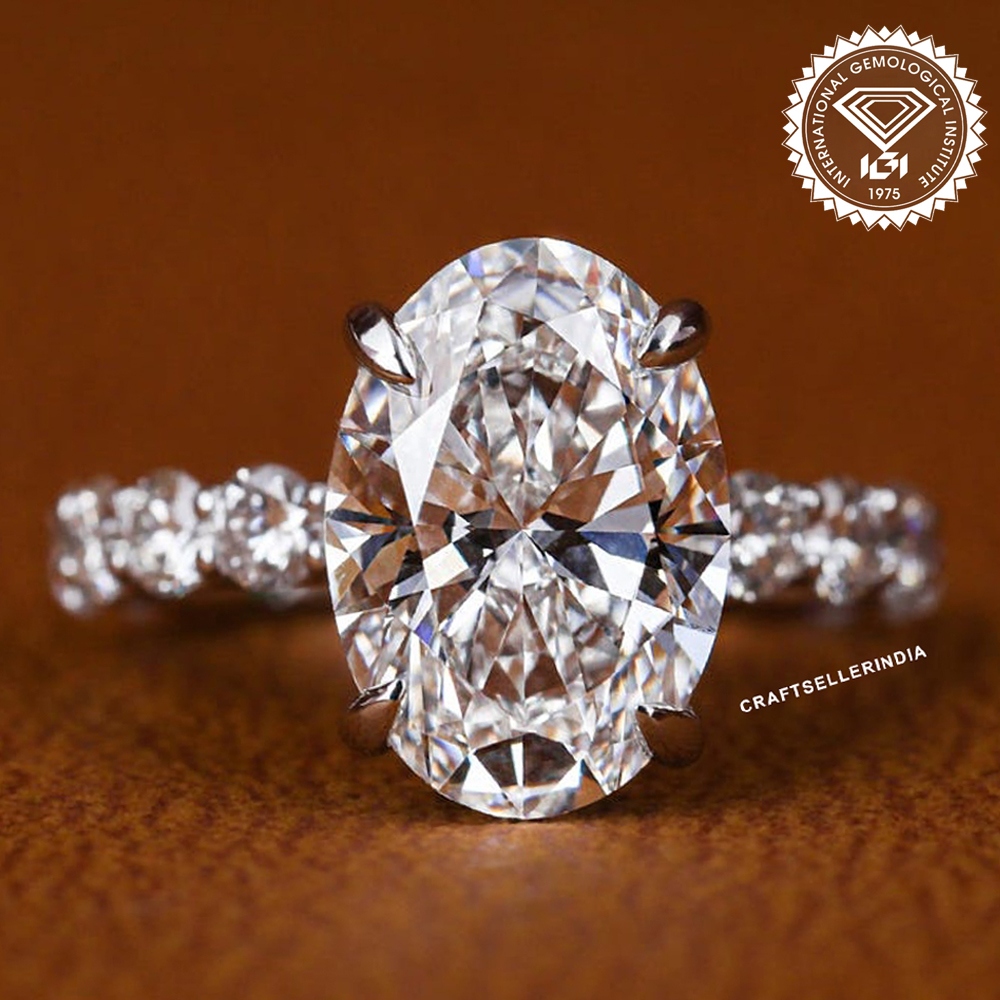
A single diamond held up by metal claws called prongs. It is the most classic engagement ring style.
- 4 prongs show more of the diamond and give a slightly square look.
- 6 prongs hold the stone more securely and make a round diamond look rounder.
- Pros: lets in lots of light for maximum sparkle; timeless; easy to clean.
- Cons: a high setting can catch on clothing or hair; prongs should be checked regularly.
Basket and cathedral styles
A basket setting connects the prongs with small metal bars for extra strength. A cathedral setting uses arches that rise from the band to lift the diamond, adding elegance and height.
Halo Setting
The centre diamond is surrounded by a ring of small diamonds.
- Pros: makes the centre stone look noticeably larger; adds extra sparkle; protects the edge of the centre stone.
- Cons: small stones need occasional checks; more surfaces to clean.
- Variations: hidden halo (under the stone, visible from the side) and double halo (two rows).
Pavé and Micro-Pavé
Many tiny diamonds set closely together along the band, held by small beads of metal. “Pavé” comes from the French word for paved.
- Pros: a continuous glittering surface; pairs well with almost any centre stone.
- Cons: resizing can be tricky; tiny stones can loosen with heavy knocks.
- Tip: pavé bands look great stacked — a popular look in lab-grown diamond jewelry.
Channel Setting
Small diamonds sit in a row between two walls of metal, with no prongs.
- Pros: very secure and smooth — nothing to snag; great for active lifestyles and men’s bands.
- Cons: dirt can collect inside the channel; slightly less light reaches the stones.
Bezel Setting
A thin rim of metal wraps around the whole diamond, or part of it (half-bezel).
- Pros: one of the most protective settings; modern, clean look; nothing to catch.
- Cons: covers a little more of the diamond, so it can look slightly smaller.
Read our full guide to bezel-set diamond jewelry.
Three-Stone Setting
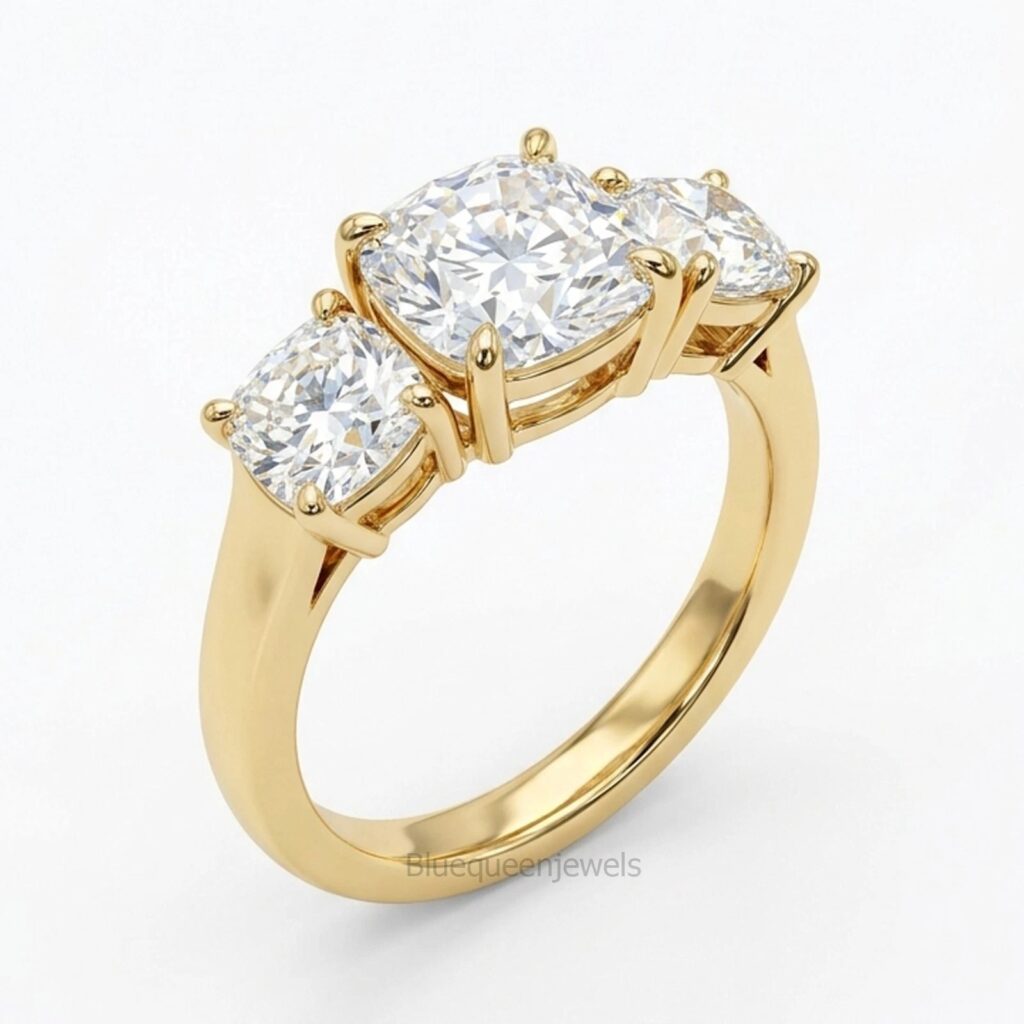
A centre diamond with one stone on each side, often said to represent past, present and future.
- Pros: meaningful; looks larger across the finger; lets you mix shapes (e.g. an oval with pear side stones).
- Cons: more stones to match for colour and clarity.
Cluster Setting
Several smaller diamonds grouped together to look like one larger stone, often in a flower or round shape.
- Pros: big look for a smaller budget; vintage charm.
- Cons: more prongs and surfaces to maintain.
Tension and Tension-Style Settings
The diamond appears to float, held in place by pressure from the band. Many modern versions are “tension-style” with hidden support.
- Pros: striking, contemporary look; lots of light.
- Cons: hard to resize; needs a skilled maker.
How to Choose Between Ring Setting Types
- Active lifestyle or hands-on job? Bezel, channel or a low-profile prong setting.
- Want maximum sparkle? Solitaire prongs or a halo.
- Want the centre stone to look bigger? Halo, cluster or three-stone.
- Love vintage style? Milgrain-edged halos, clusters and cathedral settings.
- Prefer low maintenance? Bezel or a simple solitaire are easiest to clean.
Pair your setting with the right stone using our diamond shapes guide, and choose your metal with our 10K vs 14K vs 18K gold comparison.
Caring for Your Setting
- Check prongs and small stones every six months or so, or whenever a stone feels loose.
- Clean with warm water, mild soap and a soft brush — focusing on the underside where dirt collects.
- Take rings off for gym work, gardening and heavy lifting.
More advice is in our jewelry care tips.
Frequently Asked Questions
What is the most secure ring setting?
Bezel and channel settings are generally the most secure because metal surrounds the stones.
Does a halo make a diamond look bigger?
Yes. The ring of small diamonds increases the total sparkle area, so the centre stone appears larger.
Is 4 or 6 prongs better?
Six prongs offer extra security; four prongs show slightly more of the diamond. Both are good choices.
How many ring setting types are there?
There is no single official number, but most jewelers work with eight core ring setting types: solitaire (prong), halo, pavé, channel, bezel, three-stone, cluster and tension. Many other styles, such as cathedral, basket or hidden halo, are variations of these.
Design Your Ring With Bluequeen Jewels
Explore our engagement rings, or work with our custom jewelry team to create a setting that is uniquely yours. Not sure of your size? Use our ring size guide.


