

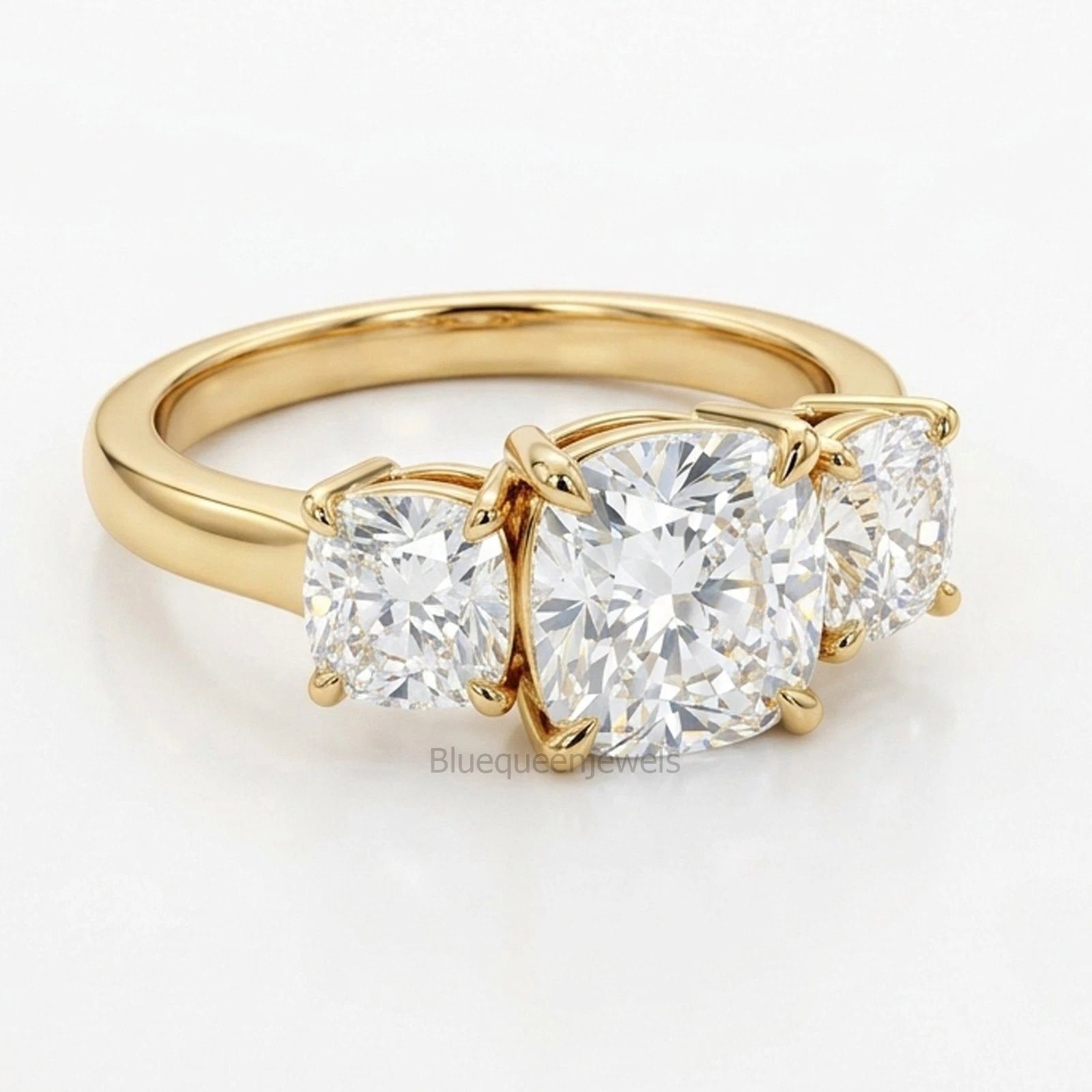
If you have looked at lab-grown diamonds, you have probably seen the letters CVD and HPHT on product pages or grading reports. They describe the two main ways diamonds are grown in a laboratory. This guide explains CVD vs HPHT in simple language — and why, for most buyers, the method matters less than the stone’s actual quality.

First: Lab-Grown Diamonds Are Real Diamonds
A lab-grown diamond is made of the same material as a mined diamond — carbon atoms arranged in a diamond crystal structure. It has the same hardness, sparkle and optical properties. The only difference is where it formed: in a controlled laboratory instead of deep inside the earth. It is not a simulant like cubic zirconia or moissanite. For that comparison, see our lab-grown diamond vs moissanite guide.
What Is HPHT?
HPHT stands for High Pressure, High Temperature. This method copies the conditions in which natural diamonds form underground.
- A small diamond “seed” is placed with a carbon source and a metal mixture inside a large press.
- The press applies enormous pressure and heats the cell to well over a thousand degrees Celsius.
- The carbon melts into the metal and slowly crystallises onto the seed, growing a new diamond.
HPHT diamonds often grow in a cube-and-octahedron shape. HPHT technology is also used for something else: improving the colour of some diamonds after they have grown (more on that below).
What Is CVD?
CVD stands for Chemical Vapour Deposition. Instead of pressure, it builds the diamond layer by layer.
- Thin, flat diamond seed plates are placed inside a vacuum chamber.
- A carbon-rich gas (usually methane mixed with hydrogen) is fed in and energised into a plasma.
- Carbon atoms separate from the gas and settle onto the seeds, growing the diamond upward in layers.
CVD diamonds grow as flat, tablet-shaped crystals. Many CVD diamonds are very pure chemically, which is one reason the method is popular.
CVD vs HPHT at a Glance
- How it works: HPHT uses pressure and heat; CVD uses gas and plasma at low pressure.
- Crystal shape: HPHT grows cube-octahedral crystals; CVD grows flat, layered crystals.
- Typical inclusions: HPHT stones may contain tiny metallic inclusions from the metal mixture; CVD stones may show dark pinpoint inclusions or faint growth lines.
- Post-growth treatment: some CVD diamonds are treated after growth to improve colour; this should be disclosed.
- Appearance once cut: both can produce beautiful, high-grade diamonds that look the same to the naked eye.
What Is Post-Growth Treatment?
Some lab-grown diamonds — often CVD stones — are given a short HPHT treatment after growing to remove a brownish tint and improve colour. This is a normal, permanent industry practice, but it should be disclosed. Grading reports from labs such as IGI usually state whether a stone is “as grown” or shows signs of post-growth treatment. Learn more about honest labelling in our post on lab-grown diamond disclosure rules.
Can You Tell CVD and HPHT Apart?
Not with the naked eye, and usually not even with a jeweler’s loupe. Identifying the growth method requires advanced laboratory equipment. That is why the grading report is the best place to find this information. Our guide on how to read a diamond grading report shows where to look.
Independent labs can make this call scientifically. According to the Gemological Institute of America (GIA), its laboratory uses spectroscopy and other tests to determine whether a diamond was grown by HPHT or CVD, and its lab-grown reports also note evidence of any post-growth treatment. You can check any GIA report number online with GIA Report Check.
Which Is Better: CVD or HPHT?
Neither method is automatically better. Both can produce excellent diamonds — and both can produce average ones. When choosing a lab-grown diamond, focus on:
- Cut quality — the biggest factor in sparkle.
- Colour and clarity — choose grades that look good to your eye and fit your budget.
- An independent grading report — especially for centre stones.
- Clear disclosure of lab-grown origin and any treatment.
- A trustworthy seller who answers questions openly.
To understand how pricing works, read lab-grown diamond prices explained.
Frequently Asked Questions
Do CVD diamonds last as long as natural diamonds?
Yes. They are real diamonds with the same hardness (10 on the Mohs scale) and will last a lifetime with normal care.
Will a CVD or HPHT diamond change colour over time?
A properly grown and, where applicable, properly treated lab-grown diamond is stable in normal wear.
Do diamond testers detect lab-grown diamonds?
Basic handheld testers read lab-grown diamonds as diamond, because they are diamond. Specialised lab equipment is needed to confirm lab-grown origin.
Does the grading report say CVD or HPHT?
Often, yes. Many lab-grown diamond reports state the growth method (CVD or HPHT) and mention any post-growth treatment. If the report or product page does not say, ask the seller before you buy. In the CVD vs HPHT debate, a clear, verifiable report matters more than the method itself.
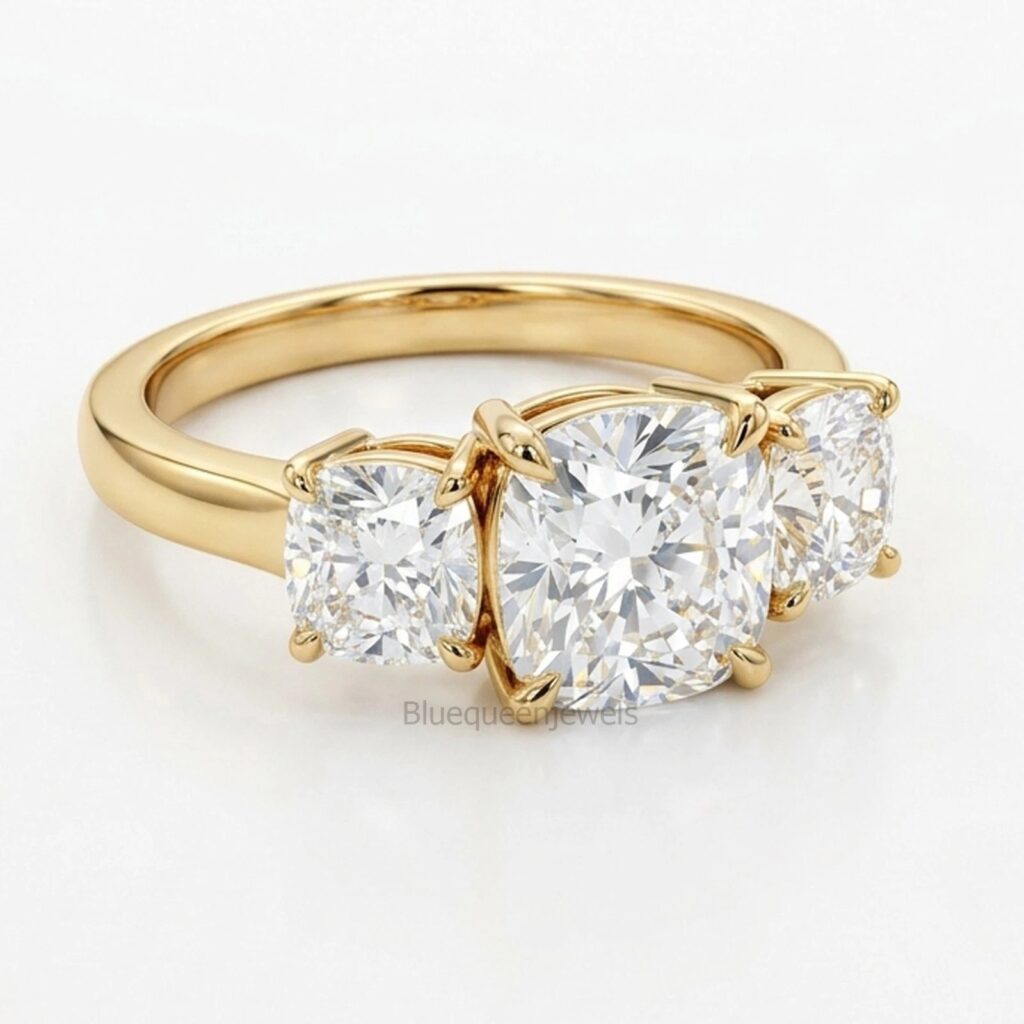
Explore Lab-Grown Diamonds
Bluequeen Jewels offers loose lab-grown diamonds and finished lab-grown diamond jewelry. Ask us about the growth method and grading report for any stone you are interested in.


