

The shape of a diamond is the first thing people notice — long before they think about colour or clarity. It sets the whole personality of a ring, pendant or pair of earrings. This diamond shapes guide explains the most popular shapes in plain language, what makes each one special, and what to look out for before you buy.
Quick note: “shape” is the outline of the stone (round, oval, pear). “Cut” is how well the facets are proportioned and polished. A good shape with a poor cut will still look dull, so you need both.
Brilliant Shapes vs Step Cuts
Most shapes fall into two families:
- Brilliant cuts (round, oval, pear, marquise, princess, cushion, radiant, heart) have many triangle- and kite-shaped facets. They are designed for maximum sparkle and are good at hiding small inclusions.
- Step cuts (emerald, asscher, baguette) have long, flat facets arranged like steps. They give a calm “hall of mirrors” look rather than fiery sparkle, and they show the inside of the stone more clearly.
The Most Popular Diamond Shapes
Round brilliant
The classic. The round brilliant is engineered for light return and is the most popular shape for engagement rings and stud earrings. It suits every style and setting. Because cutting a round wastes more of the rough crystal, rounds usually cost more per carat than fancy shapes.
Oval
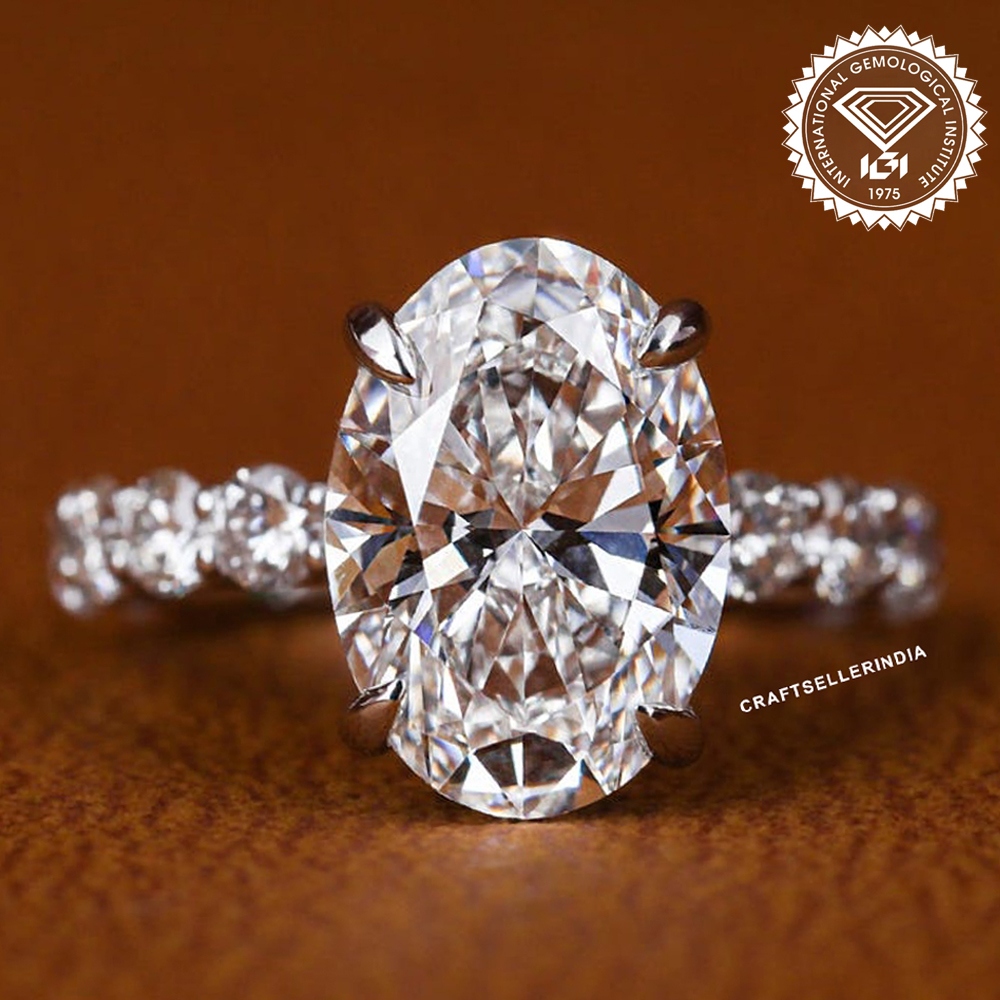
An elongated version of the round with similar sparkle. Ovals look larger than a round of the same carat weight and make fingers appear longer. Check for a “bow-tie” — a dark band across the middle caused by light leaking out. A slight bow-tie is normal; a strong one is not.
Princess
A square brilliant with sharp corners and a modern feel. It gives lots of sparkle at a lower price per carat than a round. Protect the pointed corners with prongs at each tip.
Cushion
A square or rectangular shape with rounded corners, like a pillow. It has a soft, romantic, slightly vintage look and comes in “chunky” (larger facets) or “crushed ice” (smaller, glittery facets) styles. See both in person if you can.
Emerald
A rectangular step cut with cut corners. It looks elegant and understated, with broad flashes of light. Because the large facets act like windows, inclusions are easier to see — so many buyers choose a higher clarity grade for emerald cuts.
Asscher
The square cousin of the emerald cut, with deep steps that create a “windmill” pattern from above. Popular for Art Deco-style designs.
Radiant
A rectangle or square with trimmed corners, combining the clean outline of an emerald cut with brilliant-style sparkle. A good all-rounder for people who want both.
Pear
A teardrop that is round at one end and pointed at the other. It flatters the hand and works beautifully in pendants and halo rings. Check that both sides are symmetrical and that the point is protected by a prong.
Marquise
A long, boat-shaped stone with two points. It has one of the largest-looking surfaces for its weight. Like the oval and pear, it can show a bow-tie, and both points need protection.
Heart
A romantic, bold choice. Hearts need excellent symmetry and are best in sizes where the shape is easy to read — very small hearts can look like a blob.
Diamond Shapes at a Glance
This quick diamond shapes guide table compares all 10 shapes side by side, so you can shortlist two or three before you start shopping.
| Shape | Facet style | Looks larger for its carat? | Hides inclusions? |
|---|---|---|---|
| Round brilliant | Brilliant | Average | Very well |
| Oval | Brilliant | Yes (elongated) | Well |
| Princess | Brilliant | Average | Well |
| Cushion | Brilliant | Slightly smaller | Well |
| Emerald | Step cut | Yes (long, flat table) | Less well, choose higher clarity |
| Asscher | Step cut | Slightly smaller | Less well, choose higher clarity |
| Radiant | Brilliant | Average | Well |
| Pear | Brilliant | Yes (elongated) | Well |
| Marquise | Brilliant | Yes, the most for its weight | Well |
| Heart | Brilliant | Average | Well |

How to Choose: Five Simple Questions
- What is your style? Classic = round. Modern = princess or radiant. Vintage = cushion, asscher or emerald. Statement = pear, marquise or heart.
- Do you want sparkle or elegance? Brilliant shapes sparkle more; step cuts look sleek and calm.
- Do you want it to look bigger? Elongated shapes (oval, pear, marquise) usually look larger for the same carat weight.
- How active are you? Pointed shapes need protective prongs or a bezel setting if you work with your hands.
- What is your budget? Fancy shapes often cost less per carat than rounds. Lab-grown diamonds give you an even bigger stone for the same budget.
Length-to-Width Ratio, Explained Simply
As a starting point, the GIA guide to fancy-shaped diamonds suggests length-to-width ratios of about 1.33 to 1.66 for ovals, 1.50 to 1.75 for pears, 1.75 to 2.25 for marquise and roughly 1.00 for hearts. Personal taste matters most, so use these as a guide, not a rule.
For non-round shapes, the length-to-width ratio tells you how long or square the stone looks. A ratio of 1.00 is a perfect square; higher numbers look longer and slimmer. There is no “correct” ratio — it is personal taste — but always compare stones using this number, not just photos.
Shape and Jewelry Type
- Engagement rings: all shapes work; browse our engagement rings for ideas.
- Stud earrings: round and princess are the most popular; cushion and oval are gaining fans.
- Tennis bracelets and necklaces: round stones are standard; ovals and emerald cuts create a fashion-forward look. Read our tennis bracelet buying guide.
- Pendants: pear, heart and oval look especially elegant.
Frequently Asked Questions
What is the most popular diamond shape?
The round brilliant remains the most popular, especially for engagement rings and studs.
Which diamond shape looks biggest?
Elongated shapes such as marquise, oval and pear usually show more surface area from the top than a round of the same weight.
Which shape hides inclusions best?
Brilliant shapes with lots of facets (round, cushion, radiant, oval) hide small inclusions better than step cuts like emerald and asscher.
Need Help Choosing?
Bluequeen Jewels makes lab-grown diamond jewelry in all popular shapes, and our custom jewelry team can design around any shape you love. New to diamonds? Start with our diamond guide.


