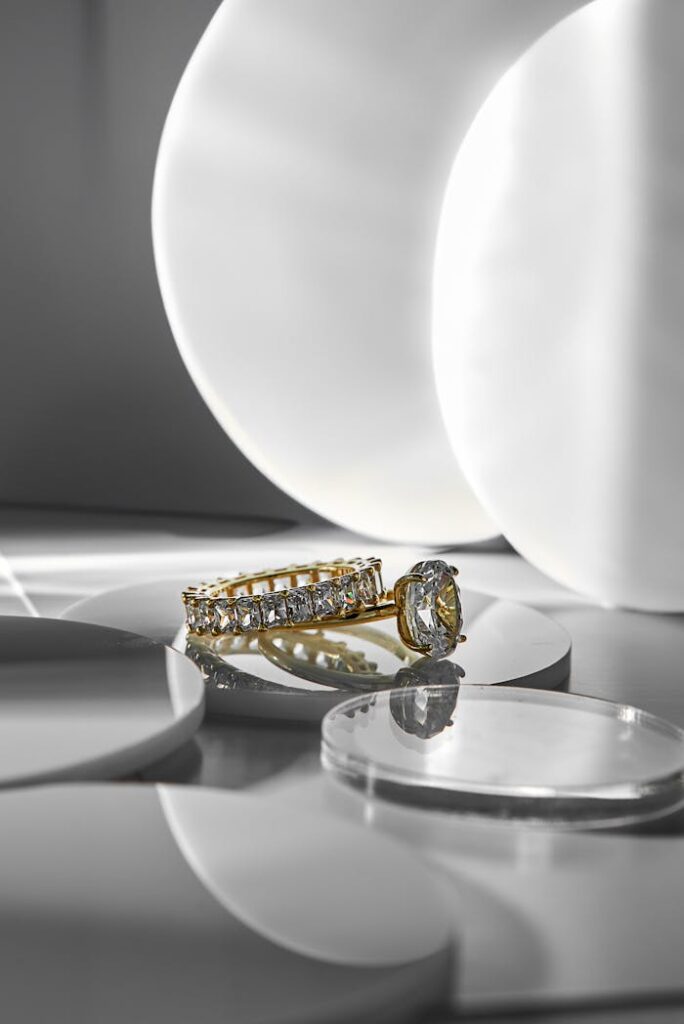

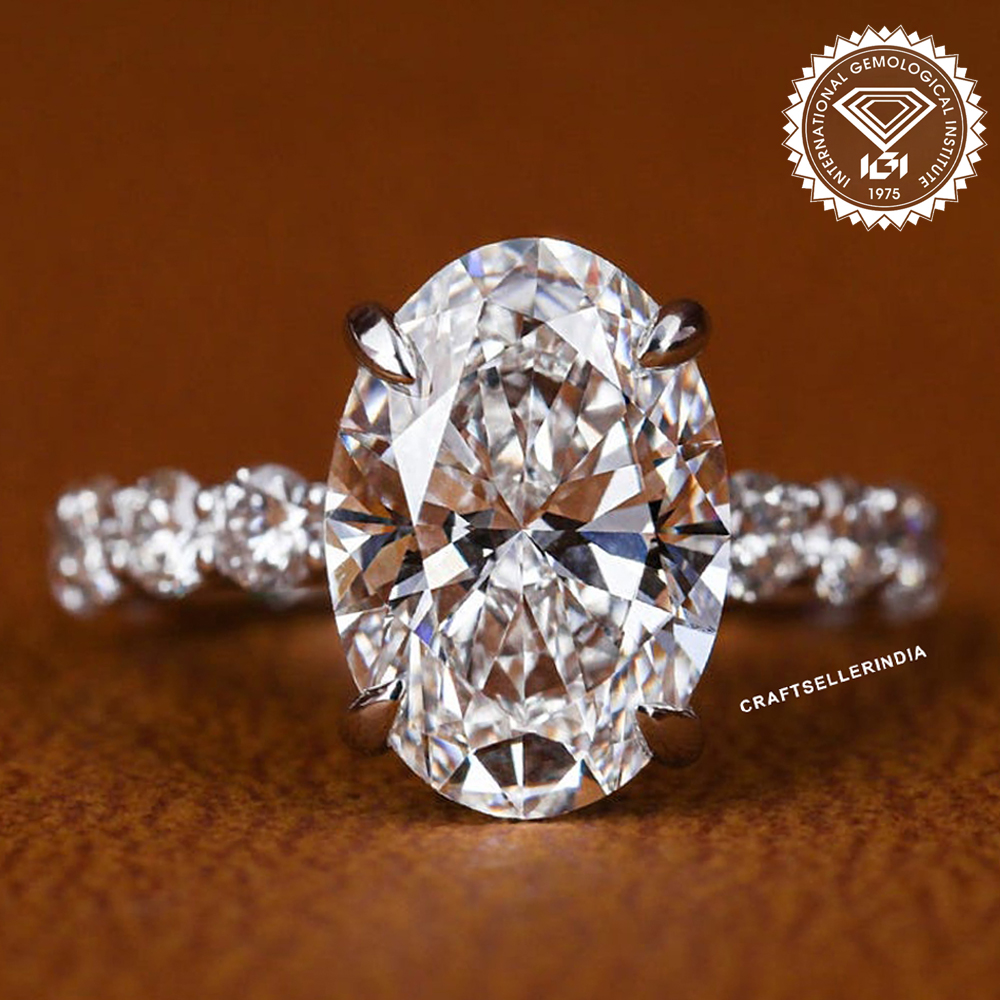
A few years ago, a bezel setting was the sensible choice — what you picked if you worked with your hands or kept catching your ring on things. In 2026, bezel set diamond jewelry is what people ask for first, and it has quietly become the defining look of everyday fine jewelry.
What a bezel setting actually is
A bezel is a thin rim of metal that wraps around the girdle of a stone and holds it from every side, rather than gripping it with claws. There are three versions worth knowing:
- Full bezel — metal encircles the entire stone. Maximum security, cleanest outline.
- Half or partial bezel — metal on two sides only, leaving the stone open at the ends. More light gets in, and the stone reads slightly larger.
- East-west bezel — an elongated stone such as an oval, emerald or marquise turned sideways across the finger. Currently one of the most-requested looks in fine jewelry.
The alternative, a prong setting, holds the stone with four or six small claws. Both are legitimate; they simply trade different things against each other.
Why bezels took over in 2026
Marie Claire’s 2026 trend list names “everyday diamonds” as one of the year’s defining categories, describing bezel-set pieces, delicate studs and stackable designs, and noting that lab-grown diamonds now function as a primary choice rather than a substitute. The Natural Diamond Council’s 2026 forecast reaches the same conclusion from the design side: bezel settings dominate because they feel modern and secure and suit daily wear, with the oval the leading cut, especially in bezel or east-west orientation.
Underneath the aesthetics is a behavioural shift. De Beers’ 2026 US Diamond Acquisition Study, which surveyed 18,500 women, found that non-bridal occasions now drive around three-quarters of US diamond demand. People are buying diamonds to wear on a Tuesday, not to keep in a box. A setting that survives a coat sleeve, a keyboard and a gym bag matters more than it used to.
Bezel vs prong: an honest comparison
- Security. A bezel wins clearly. There are no claws to bend, snag or wear thin, and the stone cannot be knocked loose from the side.
- Sparkle. Prongs win. More light enters a prong-set stone from the sides, which produces more fire. A bezel reads calmer and more graphic — some people prefer that, but it is a real difference, not a marketing one.
- Profile. Bezels sit lower and catch on far less. Prongs sit higher and show more of the stone’s depth.
- Cleaning. Bezels collect less grime around the stone, but are harder to rinse underneath. Prongs are easy to flush out but trap dirt at the claws.
- Repair and resizing. Prongs are simpler and cheaper to work on. Re-setting a bezel is more labour.
- Cost. A bezel usually costs a little more, because it uses more metal and takes longer to set — a difference that has grown as gold prices have risen.
Where bezel set diamond jewelry works best
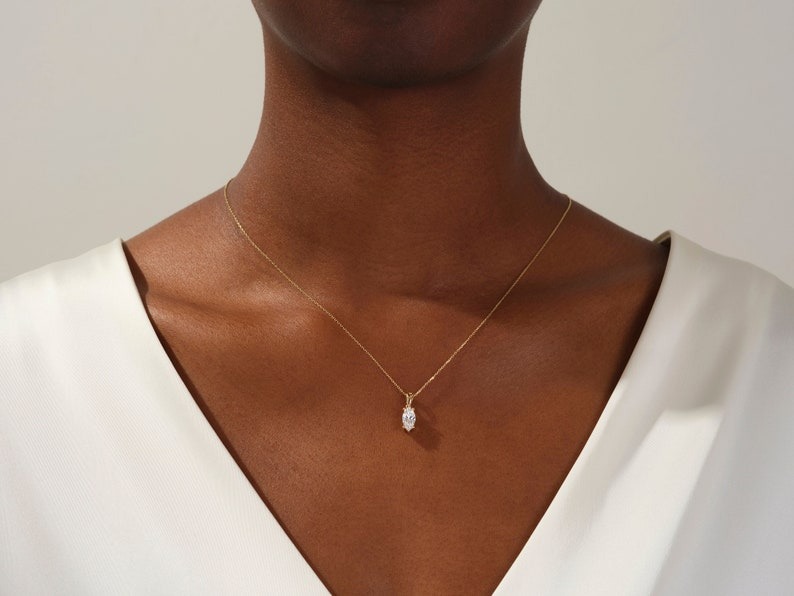
Studs. The single best argument for a bezel. Nothing catches in hair or on a pillow, and the stone stays put through years of daily wear.
Solitaire pendants. A bezel keeps a pendant lying flat instead of tipping forward, which is why so many everyday necklaces use one.
Tennis bracelets and chains. Bezel links make a smoother, more fluid line with far less snagging than prong-set equivalents.
Engagement rings for active hands. If someone works in healthcare, hospitality, childcare or trades, a bezel or half-bezel solves a genuine daily problem. Browse engagement ring styles with this in mind rather than treating it as a compromise.
Stacking rings. Low-profile bezels sit flush against each other; prongs scratch the band next to them.
Why lab-grown made everyday diamonds realistic
The trend is not only about setting design. Lab-grown wholesale prices have fallen roughly 96% since 2018 on Edahn Golan’s index, with further declines of 14% and 13% in the first two quarters of 2026, as reported by JCK. Carat weight that once belonged to a milestone piece is now realistic for a stud or a stackable ring, which is exactly what the everyday-diamond category needs to work.
One honest caveat: buy lab-grown diamond jewelry because you want to wear it, not as a store of value. Prices have been falling, and there is no reliable resale market at retail prices.
What to check before you buy
- Rim thickness. A heavy rim can shrink how large the stone looks. A fine, evenly worked rim is a sign of good setting work.
- Open or closed back. An open-back bezel lets light through and keeps the stone lively. A solid back looks heavier and darker.
- Metal and karat. Thin bezel rims hold their shape better in 14K than in softer high-karat gold. Ask what karat the setting is, not just the piece.
- Stone documentation. Ask for the grading report and whether the stone is natural or laboratory-grown, in writing. Our diamond guide covers what the grades mean.
- Sizing. Full-bezel rings with stones set into the band are harder to resize later, so get the fit right first — use a ring size guide before ordering.
Frequently asked questions
Do bezel settings make diamonds look smaller?
Not necessarily. A thin rim can make a stone read slightly larger by adding to its outline; a thick, heavy rim makes it look smaller. The workmanship matters more than the setting type.
Are bezel settings really more secure than prongs?
Yes, for everyday wear. The stone is held around its full circumference with nothing protruding, so there is no claw to catch or wear down. It is the main reason jewellers recommend bezels for people who are hard on their jewelry.
Can any diamond shape be bezel-set?
Almost. Rounds, ovals, emeralds, cushions and princess cuts all bezel well. Shapes with sharp points — marquise, pear, heart — need careful work at the tips, so ask to see the setting from the side before ordering.
Is a bezel setting harder to clean?
Slightly. Less dirt collects around the stone, but what does get underneath is harder to flush out. Warm water, mild soap and a soft brush every few weeks is enough; a professional clean once a year handles the rest.
The takeaway
Bezel settings are having a moment because they solve a real problem: people want to wear diamonds constantly, and prongs were never designed for that. If you want maximum sparkle for an occasion piece, prongs still win. If you want something you can put on and forget about, a bezel is the better tool — and in 2026 it is also the one that looks current.