

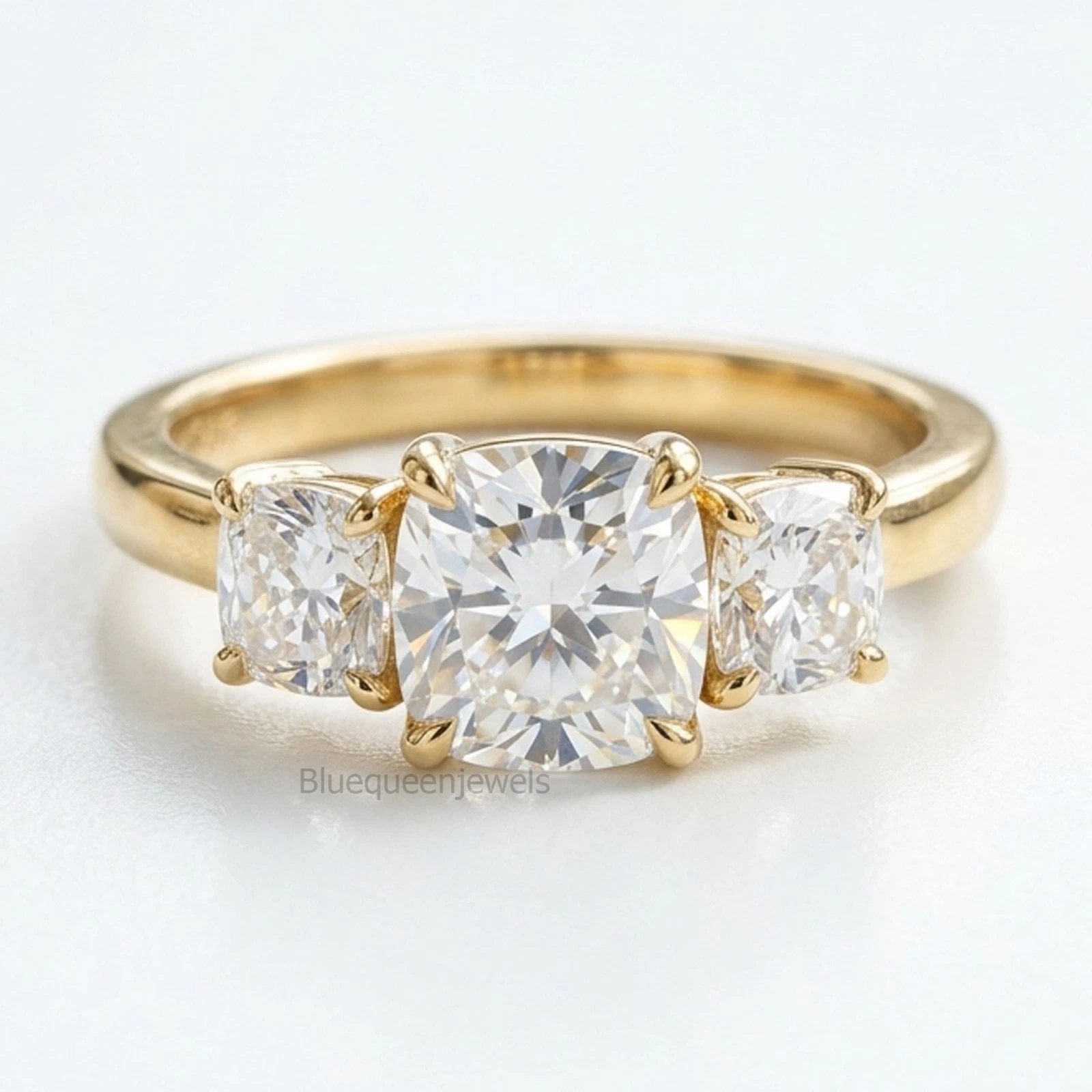
When you shop for diamond jewelry, the metal matters as much as the stone. Gold is sold in different karats — most commonly 10K, 14K and 18K — and each one looks, wears and costs a little differently. This guide explains 10K vs 14K vs 18K gold in simple terms so you can choose with confidence.
What Does “Karat” Mean?
Karat (K) measures how much pure gold is in the metal, out of 24 parts.
- 24K = 24 out of 24 parts gold — about 99.9% pure. Very soft and rarely used for diamond jewelry.
- 18K = 18/24 parts gold — 75% gold. Often stamped “750”.
- 14K = 14/24 parts gold — about 58.3% gold. Often stamped “585”.
- 10K = 10/24 parts gold — about 41.7% gold. Often stamped “417”.
The rest is a mix of other metals (called alloys), such as silver, copper, zinc or palladium. Alloys make gold stronger and change its colour.
Side-by-Side Comparison
Here is 10K vs 14K vs 18K gold in one quick table. Purity figures are the standard gold content for each karat.
| 10K gold | 14K gold | 18K gold | |
|---|---|---|---|
| Pure gold content | 41.7% | 58.3% (often stamped 585) | 75% (often stamped 750) |
| Colour | Paler yellow | Warm, classic yellow | Rich, deep yellow |
| Hardness / scratch resistance | Highest | High | Lower (softer) |
| Price | Lowest | Mid-range | Highest |
| Best for | Chains, men’s and everyday pieces | Engagement rings, bands, tennis bracelets | Fine jewelry and sensitive skin |
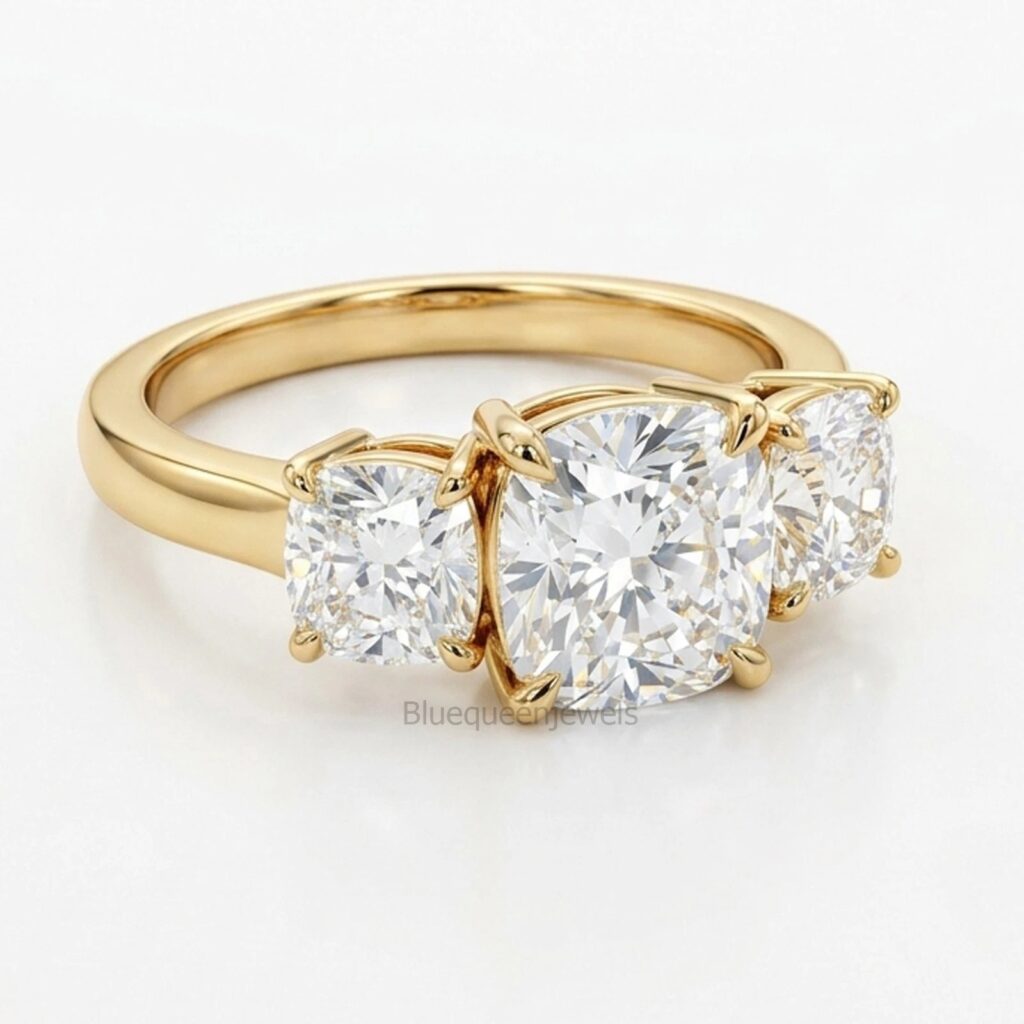
10K gold
- Colour: lighter, paler yellow.
- Durability: the hardest and most scratch-resistant of the three, because it has the most alloy.
- Price: the most affordable.
- Best for: everyday pieces, chains, men’s jewelry and budget-friendly hip-hop pieces.
- Good to know: 10K is the lowest karat commonly sold as fine gold jewelry in the USA, and it must always be described with its karat (for example, “10K gold”).
14K gold
- Colour: a warm, classic yellow.
- Durability: strong enough for daily wear.
- Price: mid-range.
- Best for: engagement rings, wedding bands, tennis bracelets and most fine jewelry. It is the most popular choice in the USA because it balances beauty, strength and cost.
18K gold
- Colour: rich, deep yellow with a luxurious look.
- Durability: softer, so it can scratch or bend more easily with heavy daily wear.
- Price: the most expensive of the three.
- Best for: special-occasion pieces, luxury rings and people who want the highest gold content. Common in Europe and Asia.
Yellow, White and Rose Gold
Colour depends on the alloy mix, and every colour is available in 10K, 14K and 18K.
- Yellow gold — the traditional look; the higher the karat, the deeper the yellow.
- White gold — alloyed with white metals and usually rhodium-plated for a bright, mirror-white finish. The plating wears over time and can be redone by a jeweler.
- Rose gold — gets its pink colour from copper. Lower karats look pinker; it is also very durable.
What About Skin Sensitivity?
Some people react to certain alloy metals, particularly nickel, which is sometimes used in white gold. Higher karats contain less alloy, so 18K is generally less likely to cause irritation than 10K. If you know you are sensitive, ask your jeweler for a nickel-free alloy.
Which Gold Should You Choose?
The short answer to 10K vs 14K vs 18K gold: choose 10K for tough, budget-friendly everyday pieces, 14K for the best all-round balance, and 18K when rich colour and higher purity matter most.
- Want maximum durability on a budget? Go for 10K.
- Want the best all-round choice for an engagement ring or daily jewelry? 14K is the safe favourite.
- Want the richest colour and highest gold content? Choose 18K and treat it with a little more care.
- Setting expensive diamonds? Any karat works, but many jewelers like 14K or 18K for a quality feel and secure prongs.
How to Check Gold Purity
In the USA, the Federal Trade Commission’s Jewelry Guides (16 CFR Part 23) say gold alloy should be described with its correct karat, such as “14K gold”, and that plated items must be clearly described as plated, not solid gold.
- Look for a stamp (hallmark) on the inside of a ring band or near the clasp: 10K/417, 14K/585 or 18K/750.
- Buy from sellers who state the karat clearly on the invoice.
- Be careful with “gold plated”, “gold filled” or “vermeil” — these are layers of gold over another metal, not solid gold.

Caring for Gold Jewelry
- Clean gently with warm water, mild soap and a soft brush.
- Remove jewelry before swimming in chlorine or using cleaning chemicals.
- Store pieces separately so diamonds do not scratch softer gold.
- Have white gold re-plated when it starts to look yellowish.
See our full jewelry care tips for more.
Frequently Asked Questions
Is 14K or 18K gold better?
Neither is “better” — it depends on priorities. 14K is tougher and more affordable; 18K has a richer colour and more gold.
Does 10K gold tarnish?
Solid 10K gold does not rust, but because it has more alloy it can dull or darken slightly over time. Regular cleaning restores the shine.
Is 14K gold real gold?
Yes. 14K is solid gold containing about 58.3% pure gold, mixed with other metals for strength.
Choose Your Gold With Bluequeen Jewels
Bluequeen Jewels makes lab-grown diamond, moissanite and hip-hop jewelry in 10K, 14K and 18K gold. Want a specific karat or colour? Ask our custom jewelry team.


